




Nichols is delighted to have been appointed to Thames Water’s Programme Partner Framework to support the organisation in its ambitious plans to safeguard water security for future generations.
The UK water industry is adapting to emerging pressures of climate change, population growth and the need to manage water resources sustainably for future generations. These formidable challenges necessitate a once in generation programme of investment within the sector.
For the Programme Partner framework, Nichols has partnered with Turner & Townsend and Laing O’Rourke to combine our global knowledge in delivering major complex infrastructure programmes, each will bring specific expertise to support Thames Water to realise the programme outcomes.
Nichols has extensive experience of mobilising strategic, specialised and flexible programme partner teams. We deliver exceptional expertise working alongside the client as an extension of their team, we provide a rapid and assured way of substantially increasing their programme management capability and providing a ready source of experienced professionals.
Nichols is committed to supporting the delivery of a sustainable and viable future. We are excited about the opportunity to continue our work with Thames Water to help them to achieve major change for the better.

At Nichols we know that equity, diversity and inclusion are crucial to the success of high performing projects, programmes, businesses and societies.
That is why we created Loving Variety –
Valuing All Regardless of Identity, Experience, Title or Years.
Loving Variety is about authentically embracing difference; being positively
curious and creating environments where people can flourish and deliver their best results. It is also about proudly challenging and standing against all forms of discrimination.
Our Loving Variety mission is to ensure that the diversity of our world is reflected in business and integrated within everything we do. This is core to our Nichols vision ‘creativity to inspire and change the world’.
Our commercial strategy approach helps our clients understand the commercial options available to deliver their specific objectives together with the risks and associated opportunities. We provide advice on the appropriate organisation to have in place to allow our clients to manage their project or programme to a successful commercial conclusion. In complex projects and programmes, disputes can arise despite the best efforts of all parties, and, where this occurs, we can assist as advocates of the client’s case, Expert Witnesses or as informal arbitrators. To learn more about our Commercial Strategy offering, please contact info@nichols.uk.com
To celebrate National Storytelling Week, we thought we would briefly share the story of Nichols.
Mike Nichols founded Nichols in 1975 in order ‘to give himself the perfect job’. Alongside his daughters, Frances and Kathryn Nichols, Mike grew Nichols, the family business and business family, to become the unique company it is today. Sadly, Mike passed away on 3 December 2013.
Mike was an entrepreneur and an exceptional leader, who had humility, kindness and positivity, and set an example to us all. His philosophy was to be absolutely determined from the outset to achieve wholly successful projects every time. Mike’s spirit lives on through the family business and the business family.
Frances and Kathryn have built on the foundations and legacy of Nichols to develop a unique approach to supporting the delivery of world class projects. They bring together teams of experts, with diversity of thought and expertise, in service of helping their clients to succeed.
Through the establishment of the Nichols Award, Frances and Kathryn have brought to life their vision of “creativity to inspire and change the world”; creating an opportunity to identify, showcase and support people and projects focussed on making a real and enduring difference. More information regarding this year’s award will be announced soon.
We support clients in reviewing and improving their operating models across all layers; organisation, process, technology and governance. To find out more about what Nichols can do for you, contact us at info@nichols.uk.com.
At Nichols, we are deeply committed to fostering a sustainable future for our planet and future generations.
We believe that embracing innovative thinking and cultivating collaborative approaches are pivotal in successfully achieving our net zero targets.
It is imperative that we wholeheartedly dedicate ourselves to these principles without delay.
Together, the commitments we make today can see us through to a brighter tomorrow.

The UN’s COP28 climate change summit starts today. It’s a crucial event where global leaders discuss solutions to tackle climate challenges. Now, more than ever, we must to come together and take action to create a sustainable future for both the planet and future generations.
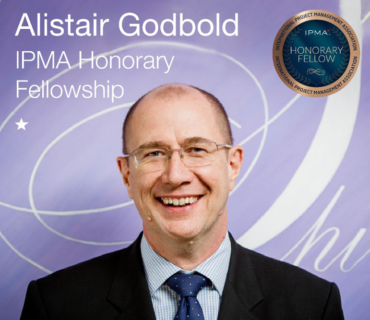
Congratulations to Nichols’ Alistair Godbold for being awarded an Honorary Fellowship of the IPMA: International Project Management Association – only 43 have been awarded before.
An Honorary Fellowship is conferred only on persons rendering exceptional services for IPMA or to the practice or theory of Project Management. Candidates for honorary fellowship are suggested by Member Associations, nominated by the Executive Board, and elected by the IPMA Council of Delegates, a 72 nation governing body.
Watch Nichols’ Temi Afolabi MBA, leader of our environmental area, address the importance of climate change and our collective responsibility to address it.
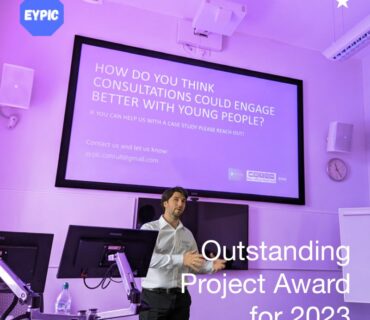
Nichols’ Bernard Fanning and independent researcher Dr Gemma Bridge have been recognised through the Future Transport Visions Group (FTVG) which is funded by the Rees Jeffery’s Road Fund with the prestigious Outstanding Project Award for 2023. Their research project, Engaging Young People in Consultations (EYPiC), not only delved into the challenges faced but also provided practical solutions to ensure the voices of young individuals are heard and valued in decision-making processes.
As a result of their extensive research, Gemma and Bernard developed a comprehensive toolkit to aid those leading consultations. This toolkit includes a set of top 10 recommendations and personas that provide valuable insights into the needs and motivations of young users. Recognising that young people are diverse and should not be treated as a homogeneous group, the recommendations and personas work in tandem to guide consultation leaders in engaging young individuals and creating a positive experience for them. They hope this will act as a template for users wishing to reach a more diverse audience.
In addition to the toolkit, they have also created an educational pack for schools, aimed at informing and encouraging pupils to actively participate in consultations. This initiative seeks to instil a sense of civic responsibility and empower young people to make their voices heard.
The Outstanding Project Award recognises the immense value of their research in bridging the gap between young people and consultations. Their dedication to understanding the needs of young individuals and providing tangible solutions has the potential to reshape the way consultations are conducted, fostering greater youth engagement and inclusivity.
If you would like more information or to get in touch about collaborating and furthering the research please go to the EYPiC Homepage (https://eypic.super.site/) or you can email them at eypic.consult@gmail.com or tweet them @EYPiConsult